Moving a Loved One to a New Home: A Paperwork and Contact Checklist
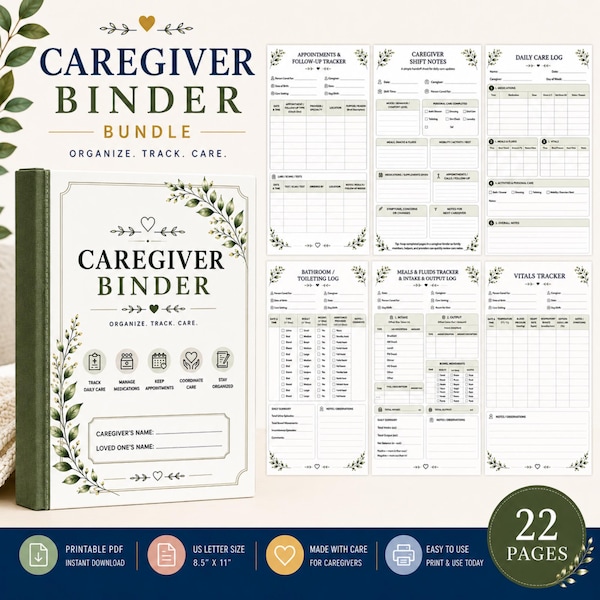
When a loved one moves to a new home, the paperwork that matters most is the information the new household or care team will need on day one: identification, insurance cards, contact lists, appointment details, medication lists copied from the care team, and a few pages about daily routines. Gather it into one binder before moving day, and carry that binder yourself instead of packing it in a box.
This post is about organizing information only. It is not medical, financial or legal advice. For anything involving health, follow the instructions of your loved one’s care team, and ask a qualified professional about legal or financial questions.
Start with a one-page move summary
Before you collect anything else, write a single page you can hand to anyone who helps. Include:
- Your loved one’s full name, date of birth and preferred name
- The old address and the new address, with the move date
- The main family contact and a backup contact
- The names of the people who are helping with the move
- A short list of what is changing: new doctor, new pharmacy, new caregivers, new phone number
This page keeps everyone working from the same facts. If several relatives are involved, it also helps to agree who does what. Our guide to splitting caregiving tasks between family members can help you divide the work.
The paperwork checklist
Make copies of the following and keep the originals somewhere safe. Check each item off as you add it to the binder.
- Photo ID and any documents the new place asks to see
- Insurance cards, front and back, plus the plan’s member services number
- A list of current doctors and specialists with phone numbers
- A medication list copied exactly from the prescriber’s or pharmacy’s records, never rewritten from memory
- Notes on allergies, as stated by the care team
- Copies of any legal documents the family already has in place, filed as they are
- Recent appointment summaries and upcoming appointment dates
- Billing and insurance paperwork. See how to keep insurance and billing paperwork organized
If you are building a binder from scratch, the senior caregiving binder guide shows how to set up sections so the pages are easy to find later.
The contact checklist
Moves create a long list of “who needs to know.” Work through it in groups so nothing slips.
Health and care
- Primary doctor and each specialist
- Pharmacy, and whether prescriptions need to be transferred
- Home care agency or aide, if there is one
- Dentist, eye doctor and hearing provider
Home and money
- Post office or mail forwarding
- Utilities, phone and internet
- Bank and any benefits offices
- Insurance companies
People
- Close family and friends
- Neighbors at the old and new address
- Faith community, clubs or groups
- The new neighbors or facility staff
Write down the date you contacted each one and what they said. A simple “done / waiting / call again” column is plenty.
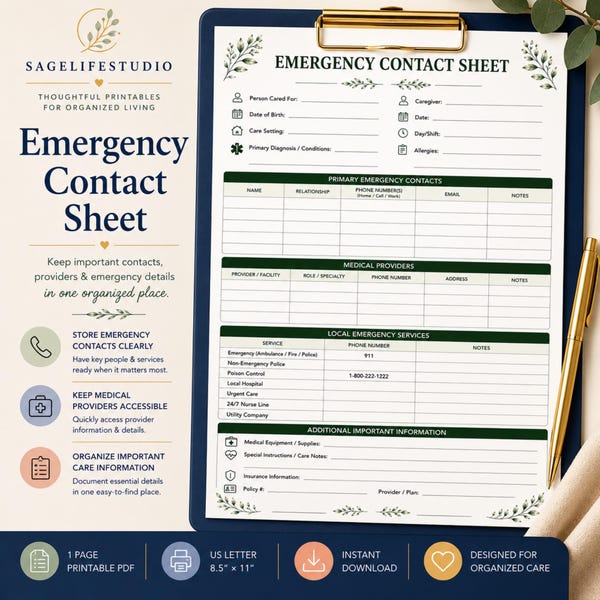
An emergency sheet for the new place
The first weeks in a new home are when an emergency sheet matters most, because nobody knows the new surroundings yet. Post one near the phone and keep a copy in the binder. Our emergency contact sheet guide explains who to list. At minimum, include the new address written clearly, the main family contacts, the doctor and pharmacy numbers, and the nearest relative or neighbor.
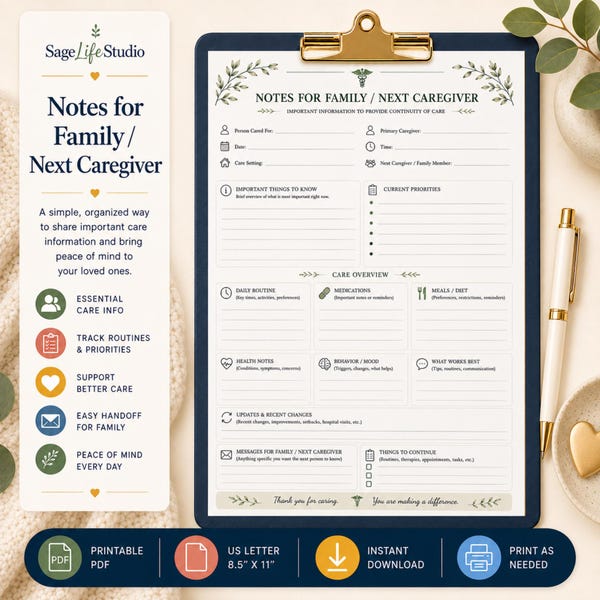
Notes for whoever helps next
A move often brings new people into your loved one’s day: movers, a home aide, a new neighbor checking in. Give each of them something written instead of relying on what you remember to say. Short notes work well, covering daily routines, meal preferences, who to call, and anything the care team has asked everyone to follow. If your loved one will have more than one helper, a shared notes page prevents the same questions being asked again.
Moving day tips
- Carry the binder, the medication list and the contact sheet yourself, not in the moving truck
- Unpack the bedroom and bathroom first, so the first night is comfortable
- Put familiar items where your loved one expects to find them
- Keep a running list of things you forgot, and fix them in the first week
- Take photos of how important items were arranged, if that helps with setting up
After the move
Give it a week or two, then review the binder. Update addresses, correct numbers that changed and file any new paperwork. Ask your loved one what is working and what is not, and adjust the notes to match.
Quick checklist
- One-page move summary written
- ID, insurance and appointment paperwork copied
- Medication list copied exactly from the care team’s records
- Contact groups checked off, with dates
- Emergency sheet posted at the new home
- Notes ready for new helpers
- Binder carried by you on moving day
- Binder reviewed after two weeks
Frequently asked questions
Ready-made printables to get you started
If you would rather start with finished pages than a blank sheet, you can browse printable logs, planners and binders on Etsy.
Frequently asked questions
What paperwork should I gather when moving a parent to a new home?
Collect ID, insurance cards, a list of doctors and contacts, a medication list copied from the care team's records, appointment details and billing papers, and keep them together in one binder.
Who do I need to notify when a loved one moves?
Work through health contacts such as doctors and pharmacy, home contacts such as mail, utilities and banks, and people such as family and neighbors, and note the date you reached each one.
Should I put medical details in a moving binder?
Yes, but only as given by the care team or pharmacy. Copy details exactly and follow the care team's instructions, using the binder only to keep information organized.